Jonas Hansen · 19 October 2026
Insights from Comparative Analysis of Competitor Strategies Using Dedicated SEO Toolsets
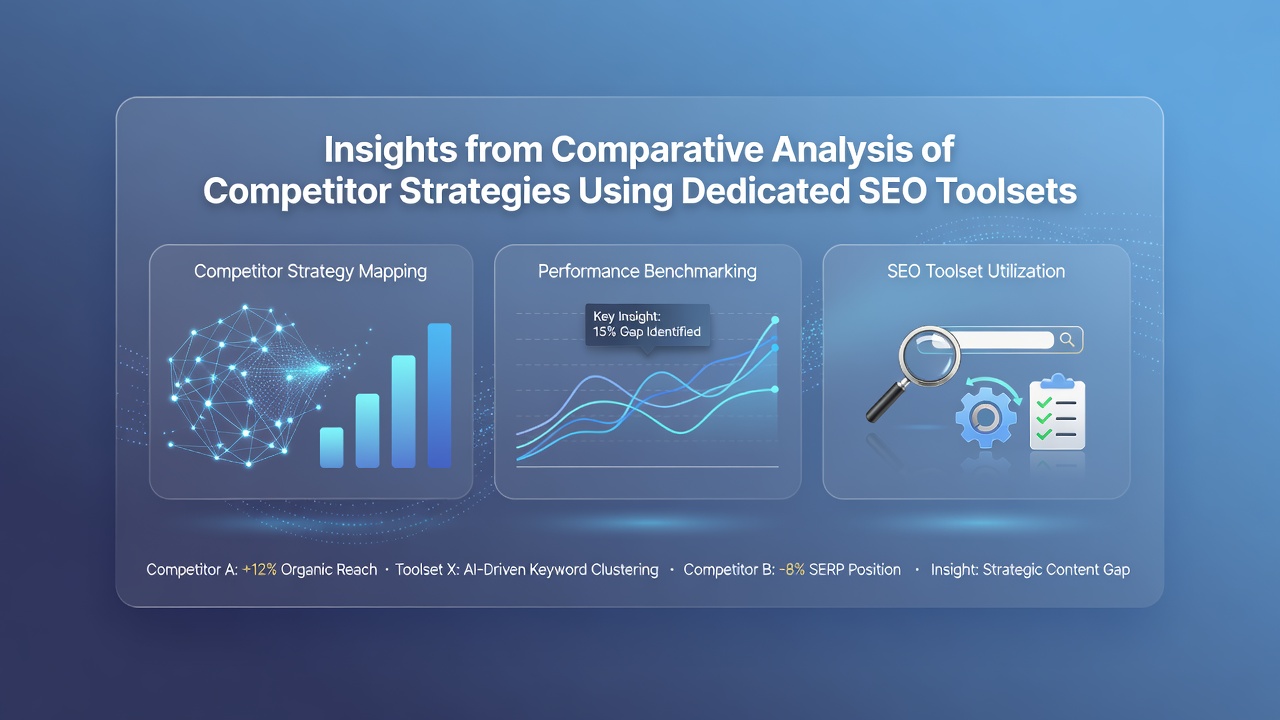
Businesses have turned to dedicated SEO toolsets to examine how competitors build visibility across search engines, and these platforms deliver structured data on keywords, backlinks, content patterns, and technical configurations that shape ranking positions. Researchers have documented steady adoption of such tools since the mid-2010s, with usage rates climbing further as algorithm updates became more frequent. Data from industry reports shows that companies employing multiple toolsets simultaneously gain broader coverage of competitor activity than those relying on single solutions alone.
Core Components of Competitor Analysis in SEO Platforms
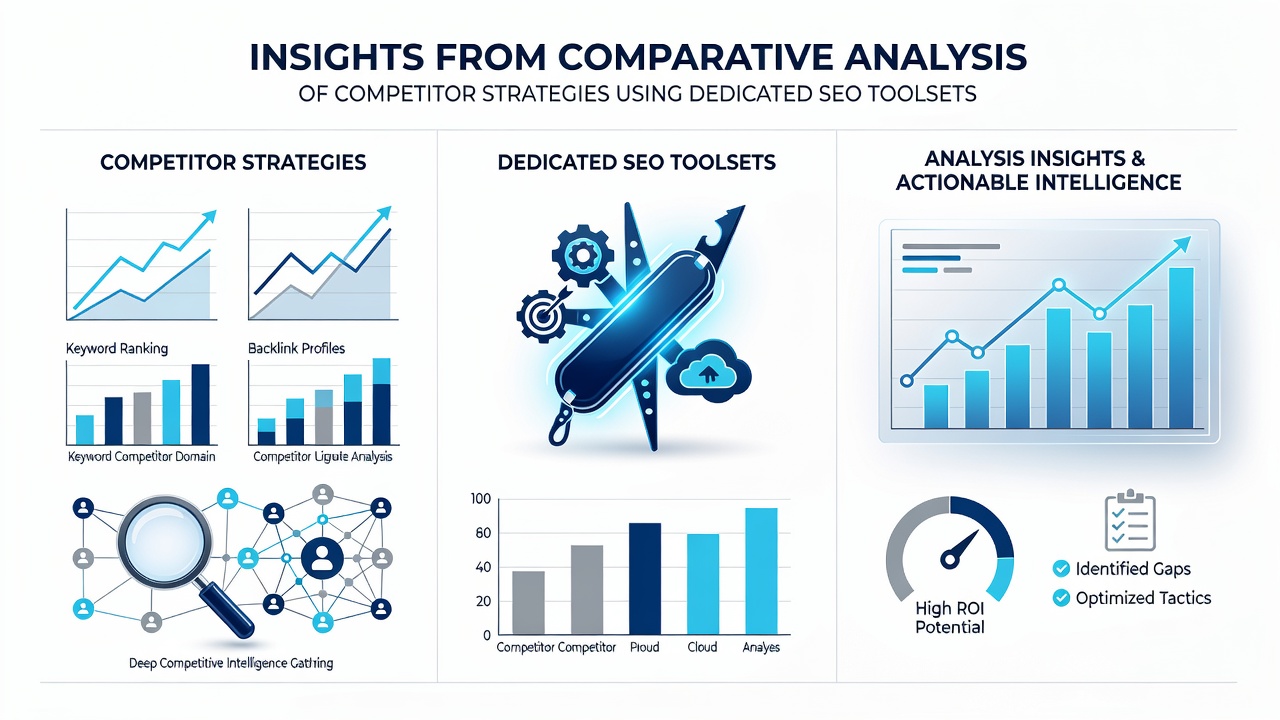
Modern SEO suites combine keyword research modules, backlink auditors, and site crawlers into unified interfaces that allow side-by-side comparisons across domains. Observers note that keyword gap analysis remains one of the most frequently accessed features, because it highlights terms where competitors rank in top positions while the analyzed site does not appear. Backlink comparison tools reveal differences in referring domain authority, anchor text distribution, and link acquisition velocity, all of which influence how search engines evaluate trust signals.
Technical audits supplied by the same platforms flag variations in page speed, mobile responsiveness, schema implementation, and crawl budget allocation. Analysts who cross-reference these technical metrics with ranking data often identify correlations between site performance and visibility changes over multi-month periods.
Recent Developments Observed in October 2026
Platform updates released in October 2026 introduced enhanced historical trend overlays that let users track competitor strategy shifts across two-year windows rather than single quarters. These overlays integrate ranking fluctuations with changes in content volume and link profiles, giving clearer pictures of sustained versus short-term tactics. Several enterprise-level users reported that the new visualization layers reduced the time required to isolate meaningful patterns from background noise.
Practical Applications Across Different Sectors
Retail brands have applied these comparative workflows to monitor how rivals adjust product page structures during seasonal campaigns. One documented case involved a mid-sized apparel company that identified a competitor's use of expanded internal linking clusters around evergreen category pages, then replicated a similar structure with measurable traffic gains within eight weeks. Financial services firms, meanwhile, have focused on regulatory content depth, using toolsets to measure how many subtopics competitors cover within compliance-related guides.
Academic institutions and nonprofit organizations have also adopted the same methods to benchmark against peer sites, particularly when competing for visibility on informational queries. Reports from the OECD digital economy series indicate that organizations tracking competitor content calendars achieve faster alignment between new publications and emerging search demand.
Data Patterns Identified Through Multi-Tool Workflows
Analysts who combine outputs from several SEO platforms reduce the risk of single-source bias, because each tool maintains distinct crawlers and indexing methodologies. Figures from a 2025 multi-vendor benchmark study showed variance rates of up to 18 percent in backlink counts across major suites, underscoring the value of triangulation. Keyword difficulty scores likewise differ by platform, prompting experienced users to average multiple estimates before prioritizing targets.
Those who've examined longitudinal datasets note that competitors maintaining consistent content publication cadences paired with selective link acquisition tend to exhibit steadier ranking trajectories than those relying on sporadic bursts. Such patterns become visible only when analysts aggregate data across quarterly intervals rather than isolated snapshots.
Conclusion
Comparative analysis conducted through dedicated SEO toolsets supplies organizations with measurable indicators of competitor positioning and resource allocation. Continued platform refinements, including those rolled out in October 2026, have expanded the granularity of historical and cross-domain comparisons available to analysts. As search landscapes evolve, the ability to synthesize data from multiple tool sources remains central to maintaining accurate situational awareness.